

When comparing the best cashback credit card, look beyond the advertised rate. Compare the cashback percentage, eligible categories, monthly or annual caps, exclusions, annual fees, and the actual cashback you can earn depending on your spending.
What is a Cashback Credit Card?
A cashback credit card returns a portion of eligible spending as cashback, subject to the card's applicable terms and conditions.
How Cashback Works
The process is simple: eligible spending → cashback earned → cashback credited or redeemed. The calculation and redemption process varies by card.
Flat-Rate vs. Category-Based Cashback
Common cashback models include:
- Flat cashback: One rate across eligible spending.
- Category cashback: Higher rates on categories such as dining or groceries.
- Merchant cashback: Higher rates at selected brands.
- Online cashback: Rewards on eligible online purchases.
- UPI cashback: Rewards on qualifying UPI merchant payments through eligible RuPay cards.
What Does “Highest Cashback” Actually Mean?
The credit card with highest cashback rate may not provide the highest total cashback. A card offering 10% cashback with a ₹500 cap can generate less than a card offering 5% with a ₹2,000 cap.
How to Compare the Highest Cashback Credit Cards
Compare the complete reward structure rather than the headline percentage.
- Cashback Rate: Check both the base rate and category-specific rates. A highest cashback credit card may offer its highest rate only on selected transactions.
- Cashback Caps: Check monthly, annual, and category-wise cashback limits. Once a cap is reached, additional spending may earn less or no cashback.
- Eligible and Excluded Transactions: Review eligible categories and exclusions. Depending on the card, fuel, rent, utilities, wallet loads, or cash withdrawals may not earn cashback.
- Annual Fees: Compare the cashback you expect to earn with the annual fee to determine your potential net value.
- Cashback Redemption: Check whether cashback is credited automatically, adjusted against the bill, or redeemed separately. Also check minimum redemption requirements.
Which Credit Cards Offer High Cashback Rates in India?
The right card depends on where you spend most. Best cashback credit cards in India can differ significantly by spending category.
Cards With High Cashback on Online Spending
An online cashback credit card can suit frequent e-commerce shoppers. Check eligible merchants, caps, and exclusions before comparing rates.
Cards With High Cashback on Dining and Grocery
Category-based cards may offer higher cashback on dining, food delivery, and grocery purchases. Check the eligible merchant categories and limits.
Cards With High Cashback on Travel
Some cards provide elevated cashback or rewards on flights, hotels, or travel bookings. Check whether bookings must be made through a specific platform.
Cards With High Cashback on UPI
Good cashback credit cards give high cashback on UPI merchant payments. Compare UPI eligibility, cashback rates, minimum transaction requirements, and caps.
Cards With High Cashback on Brand-Specific Spending
Co-branded cards can offer higher rewards at platforms such as Amazon, Flipkart, Myntra, Swiggy, and Tata brands. Their value depends on how often you use those merchants.
Highest Cashback Rate vs. Highest Overall Cashback
A high percentage matters only when you can use it on enough eligible spending.
Why a Higher Cashback Percentage Doesn't Always Mean More Savings
For example:
- Card A: 10% cashback capped at ₹500
- Card B: 5% cashback capped at ₹2,000
If your spending falls outside Card A's eligible category, Card B may generate more total cashback. That's why you should compare top-rated cashback credit cards against your actual spending.
How Cashback Caps Affect Your Earnings
A cashback cap limits the maximum reward available during a defined period. Higher spending does not necessarily mean proportionally higher cashback.
How Annual Fees Affect Your Net Cashback
Subtract applicable annual fees from your expected cashback. A card earning ₹3,000 with a ₹1,500 annual fee may provide less net value than a lifetime-free card earning ₹2,000.
Why Spending Pattern Matters
The best money back rewards credit card depends on your regular spending categories. A high rate is useful only when you can regularly use it on eligible transactions.
How Much Cashback Can You Actually Earn?
Use your actual monthly spending and applicable cashback rate to estimate potential returns.
₹10,000 Monthly Spending
At 5% cashback, ₹10,000 of eligible spending could generate ₹500 before applying caps and exclusions.
₹25,000 Monthly Spending
At 5%, ₹25,000 of eligible spending could generate ₹1,250, subject to the card's cashback limit.
₹50,000 Monthly Spending
At 5%, ₹50,000 could generate ₹2,500 before applicable caps, exclusions, and fees.
How to Choose a Credit Card With the Highest Cashback for You
Match the card's reward structure with your regular spending.
- If You Spend Mostly Online: Look for broad online cashback, reasonable caps, and limited exclusions.
- If You Spend Mostly on Groceries and Dining: Look for category-specific cashback and confirm which merchants qualify.
- If You Shop on Specific Platforms: Co-branded cards may provide higher rewards when you frequently use one platform.
- If You Use UPI Frequently: Check UPI compatibility, eligible merchant UPI payments, transaction limits, and cashback conditions.
- If You Want a Low-Fee or Lifetime-Free Card: Compare the annual fee with the cashback you realistically expect to earn. A good cashback credit card may provide better net value when fees are low.
How Does Uni GoldX Compare With Traditional Cashback Cards?
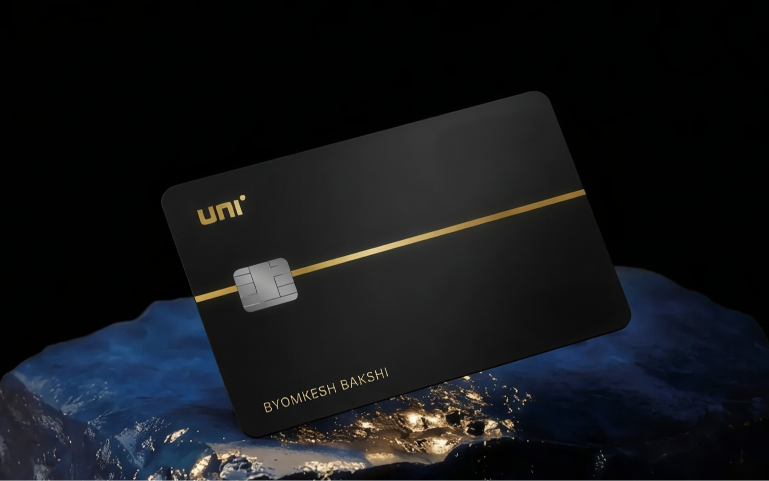
Traditional credit cards with cashback return value as cashback, while Uni GoldX's reward proposition converts eligible rewards into 24K Digital Gold. Uni GoldX earns Uni Coins on eligible spends, which can be redeemed for 24K Digital Gold in the Uni Cards App, subject to applicable terms.
Earn 1% Back as Rewards on Eligible Spends
Uni GoldX offers 1% back as rewards on eligible spends through Uni Coins, subject to applicable exclusions and terms.
Convert Rewards Into 24K DigiGold
Eligible Uni Coins can be redeemed for 24K Digital Gold through the Uni Cards App. Gold value can fluctuate and should not be treated as a guaranteed return.
Earn Gold on Eligible UPI Transactions
The complimentary virtual RuPay variant supports eligible merchant UPI payments, with rewards subject to applicable conditions.
Lifetime-Free Proposition
The lifetime-free proposition has zero joining and annual fees, subject to the applicable terms.
Zero Forex Markup
Uni GoldX offers zero forex markup on international card transactions, subject to applicable terms. International transactions may not earn rewards.
Digital Card Management
Card management, rewards, and redemption can be handled digitally through the Uni Cards App.
Common Mistakes When Choosing a High-Cashback Credit Card
A higher advertised rate does not automatically mean higher overall value.
- Choosing the Highest Percentage Without Checking the Cap: A high cashback percentage may apply only up to a fixed monthly, annual, or category-specific limit. Check the cap before comparing cards.
- Ignoring Excluded Transactions: Review transactions that do not qualify for cashback. Spending on excluded categories may not earn rewards even when the advertised cashback rate is high.
- Ignoring the Annual Fee: Consider the annual fee when calculating your expected net cashback. A higher cashback rate may not offset a significant annual fee.
- Choosing a Card Without Matching Your Spending Pattern: Choose a card based on where you actually spend. A lower flat rate may be more useful than a higher category-specific rate if your spending is spread across multiple categories.
- Spending More Just to Earn Cashback: Avoid unnecessary purchases simply to earn rewards. Cashback should come from spending you would make anyway.
- Not Checking Current Terms and Conditions: Rates, caps, exclusions, fees, and reward conditions can change. Review the latest card terms before applying.
Frequently Asked Questions About Cashback Credit Cards
-
Which credit card offers the highest cashback in India?
There is no single card with the highest cashback for every user. Compare eligible rates, caps, exclusions, fees, and your spending pattern.
-
Which credit card gives the highest cashback on online purchases?
A business money-back credit card with elevated online rates may suit frequent e-commerce users. Check eligible merchants and cashback caps before choosing.
-
Which credit card gives the highest cashback on everyday spending?
Look for broad eligibility across everyday purchases. A lower flat rate can provide more cashback than a higher category-specific rate.
-
Which credit card gives the highest cashback on groceries?
Compare cards that specifically reward grocery spending and check whether supermarkets and online grocery purchases qualify.
-
Which credit card gives the highest cashback on dining?
Category-focused cards may offer higher dining cashback. Check restaurant and food-delivery eligibility and caps.
-
Which credit card gives the highest cashback on UPI transactions?
Eligible RuPay credit cards can offer cashback on qualifying UPI merchant payments. Compare the applicable rate and conditions.
-
Is a higher cashback percentage always better?
No. Consider the cashback cap, eligible categories, exclusions, annual fee, and your actual spending.
-
How is credit card cashback calculated?
Cashback is generally calculated by applying the applicable rate to eligible transactions, subject to exclusions and caps.
-
Do cashback credit cards have cashback limits?
Many cards have monthly, annual, or category-specific cashback limits. Check the current terms before applying.
-
Are cashback credit cards better than reward-point cards?
Neither is universally better. Compare earning rates, redemption value, fees, and benefits based on your spending.
-
How can I maximise my credit card cashback?
Use the card for eligible purchases where it offers meaningful rewards, stay within cashback caps and avoid unnecessary spending. Pay your bill on time and in full to prevent interest from outweighing rewards.