

For a first credit card in India, compare fees, repayment terms, rewards, and eligibility before applying. Understanding these factors can make choosing a first credit card for beginners easier.
What is a Credit Card and How Does it Work?
Understanding how credit cards work can help new applicants make informed choices.
What is a Credit Card?
A credit card lets you make routine purchases using a credit limit provided by the issuer. Unlike a debit card, which uses money from your bank account, a credit card requires repayment after the purchase.
How Does a Credit Card Work?
The issuer assigns a credit limit. You use the card during a billing cycle, receive a statement, and repay the amount by the due date. Interest and other charges may apply when the total amount due is not paid as required.
Who Can Get a First Credit Card?
The eligibility for the first credit card in India varies by issuer and card, so check the applicable criteria before applying.
Age and Basic Eligibility
Applicants generally need to meet the issuer’s minimum age, residency, and other basic requirements.
Income Requirements
Income requirements differ by card and issuer. Some products may have minimum income criteria based on the applicant’s profile.
Employment Status
Salaried and self-employed applicants may qualify for different cards, subject to issuer requirements and income verification.
Credit History
Another first credit card eligibility criterion is that applicants with limited or no credit history may still have options, including secured cards or products designed for new-to-credit users.
What Credit Score Do You Need for Your First Credit Card?
Your credit score can influence an application, but applicants with no previous credit history may be assessed differently.
Can You Get a Credit Card Without a Credit History?
Yes, depending on the issuer. Secured cards backed by a fixed deposit can be an option for applicants with limited or no credit history.
How Does Your Credit Score Affect Approval?
Credit history shows how you have handled previous borrowing. Timely repayments and responsible credit use can support a healthy credit profile.
How to Start Building Your Credit Score
Use credit only when you can repay it, keep utilisation under control, and pay bills on time. Avoid unnecessary applications for multiple credit products.
What Documents Are Required for Your First Credit Card?
The documents required depend on the issuer and applicant profile.
- Identity Proof: A valid government-issued identity document may be required for verification.
- Address Proof: Applicants may need a valid document confirming their residential address.
- PAN Card: A PAN Card is required for credit card applications and financial verification in India.
- Income Proof: Salary slips, bank statements, income tax documents, or other income proof may be requested.
- Additional Documents, If Required: The issuer may request additional documents for KYC, income, or employment verification.
How to Choose Your First Credit Card?
Compare cards based on spending, repayment capacity, fees, and eligibility rather than advertised benefits alone.
Compare Annual Fees and Other Charges
Check joining and annual fees, interest, late payment, cash withdrawal, forex, and other applicable charges.
Choose Rewards Based on Your Spending Habits
Look for rewards on categories you already use, such as shopping, dining, groceries, travel, or UPI payments.
Check Eligibility and Income Requirements
Review age, income, employment, and other criteria. Understanding credit card eligibility for first-time applicants can help you avoid unsuitable applications.
Compare Interest Rates and Repayment Terms
Check the applicable interest rate, billing cycle, due date, and repayment options.
Look for UPI and Digital Payment Features
If you regularly use UPI, check whether the card supports eligible UPI merchant payments.
Check Reward Redemption Options
Compare cashback, vouchers, points, travel rewards, and other redemption options based on their actual value.
Compare Additional Benefits and Features
Consider lounge access, fuel benefits, shopping offers, dining offers, and other features you are likely to use.
How to Apply for Your First Credit Card?
The application procedure typically involves the following steps.
- Check Your Eligibility: Review the issuer’s age, income, employment, residency, and other criteria.
- Select the Right Credit Card: Select a card that matches your spending and repayment capacity. Your first credit card should have terms you understand and can manage.
- Keep Your Documents Ready: Prepare PAN card, identity, address, income, and other documents that the issuer may request.
- Complete the Online Application: Provide accurate personal, employment, and financial information through the issuer’s application process.
- Complete KYC and Verification: Complete the required KYC and verification steps. The issuer may contact you for additional information.
- Wait for Approval and Card Issuance: The issuer reviews your application and documents before making an approval decision. The first credit card approval timeline varies by issuer and applicant profile.
How to Increase Your Chances of Getting Your First Credit Card Approved?
Meeting the issuer’s requirements and providing accurate information can support a smoother application.
- Choose a Card That Matches Your Eligibility: Check income, age, employment, and other requirements before applying.
- Maintain a Healthy Credit Profile: Pay existing credit obligations on time and keep credit utilisation under control.
- Provide Accurate Information: Ensure application details match your documents and financial information.
- Avoid Multiple Credit Card Applications: Several applications within a short period can result in multiple credit enquiries.
- Maintain Stable Income and Employment: Stable income and employment information can support the issuer’s assessment of repayment capacity.
- Keep Existing Credit Obligations Under Control: High outstanding debt or excessive credit utilisation may affect the application assessment.
Why Can Your First Credit Card Application Get Rejected?
Understanding common rejection reasons can help you address potential issues before applying.
- Insufficient Income: Your income may not meet the card’s minimum eligibility criteria.
- Eligibility Criteria Not Met: You may not meet the issuer’s age, location, employment, or other requirements.
- Limited or No Credit History: Some cards may have stricter requirements for applicants with limited credit history.
- Incorrect Information or Documents: Missing, inconsistent, or incorrect information can delay or affect an application.
- Multiple Recent Credit Applications: Several recent applications may result in multiple credit enquiries.
- High Existing Debt or Credit Utilisation: High debt or utilisation may affect the issuer’s assessment of repayment capacity.
How to Use Your First Credit Card Responsibly?
Responsible use can help you manage costs and maintain a healthy credit profile.
- Pay Your Credit Card Bill on Time: Pay the required amount by the due date to avoid late payment charges.
- Pay the Total Amount Due: Paying the total amount due can help avoid interest on carried balances, subject to the card’s terms.
- Keep Credit Utilisation Under Control: Avoid regularly using a big portion of your available credit limit.
- Track Your Credit Card Spending: Review transactions and statements regularly to keep spending within your repayment capacity.
- Understand Fees and Charges: Know the applicable interest, fees, charges, and payment conditions.
- Avoid Unnecessary Cash Withdrawals: Cash advances may attract fees and interest, so use them only when necessary.
What Features Should You Look for in Your First Credit Card?
Focus on features that provide practical value without unnecessary costs.
- Low or No Annual Fee: A low-fee or lifetime-free card can reduce recurring ownership costs.
- Rewards on Everyday Spending: Look for rewards that apply to your regular eligible purchases.
- UPI Payment Options: Check whether the card supports eligible UPI merchant transactions through a compatible payment route.
- Easy Digital Card Management: App-based controls can make it easier to track transactions and manage card features.
- Flexible Reward Redemption: Check whether rewards can be redeemed through options you are likely to use.
- Security and Transaction Controls: Consider transaction alerts, card controls, and digital payment settings.
Why Choose a Uni Credit Card as Your First Credit Card?
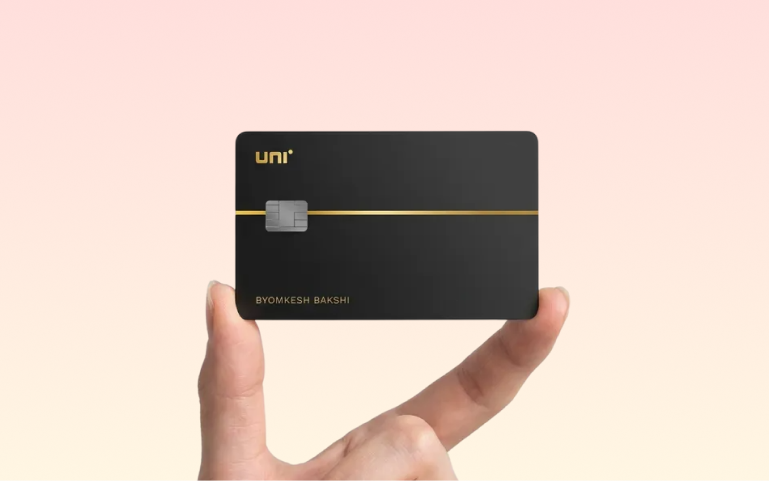
Uni GoldX combines digital card management with rewards and everyday payment features, subject to applicable terms.
Digital-First Credit Card Management
The Uni Cards app provides digital access to relevant card features, transactions, and controls.
Rewards on Eligible Everyday Spends
Eligible online and offline spending can earn Uni Coins under the applicable reward structure.
UPI Payment Options
The virtual RuPay variant supports eligible merchant UPI payments through compatible UPI apps.
24K Gold Rewards
Eligible Uni Coins can be redeemed for 24K Digital Gold through the Uni Cards app, subject to applicable conditions.
Lifetime-Free Proposition
GoldX has zero joining and annual fees under its lifetime-free proposition. Other applicable charges may still apply.
Zero Forex Markup
GoldX offers zero forex markup on eligible international card transactions, subject to applicable terms.
Frequently Asked Questions About Your First Credit Card
-
Can I get a credit card without a credit history?
Yes, depending on the issuer. Secured cards and selected new-to-credit products may be available.
-
What is the minimum income required for the first credit card?
There is no single income requirement. It varies by card and issuer.
-
Does applying for a credit card affect my credit score?
An application may result in a credit enquiry. Multiple applications within a short period can lead to several enquiries.
-
What documents are required for a first credit card?
Common documents include PAN, identity proof, address proof, and income documents, depending on the issuer.
-
How long does it take to get a credit card approved?
The timeline varies by issuer, verification process, and applicant profile.
-
Can students get a first credit card?
Some students may have access to secured or specialised cards, subject to issuer requirements.
-
What is the best credit card for beginners?
A first credit card for beginners should have manageable fees, clear terms, and useful benefits. Before learning how to get your first credit card, check the first credit card requirements, eligibility, and repayment terms. If you're comparing recommended credit cards for beginners, choose one that matches your spending and financial profile.